
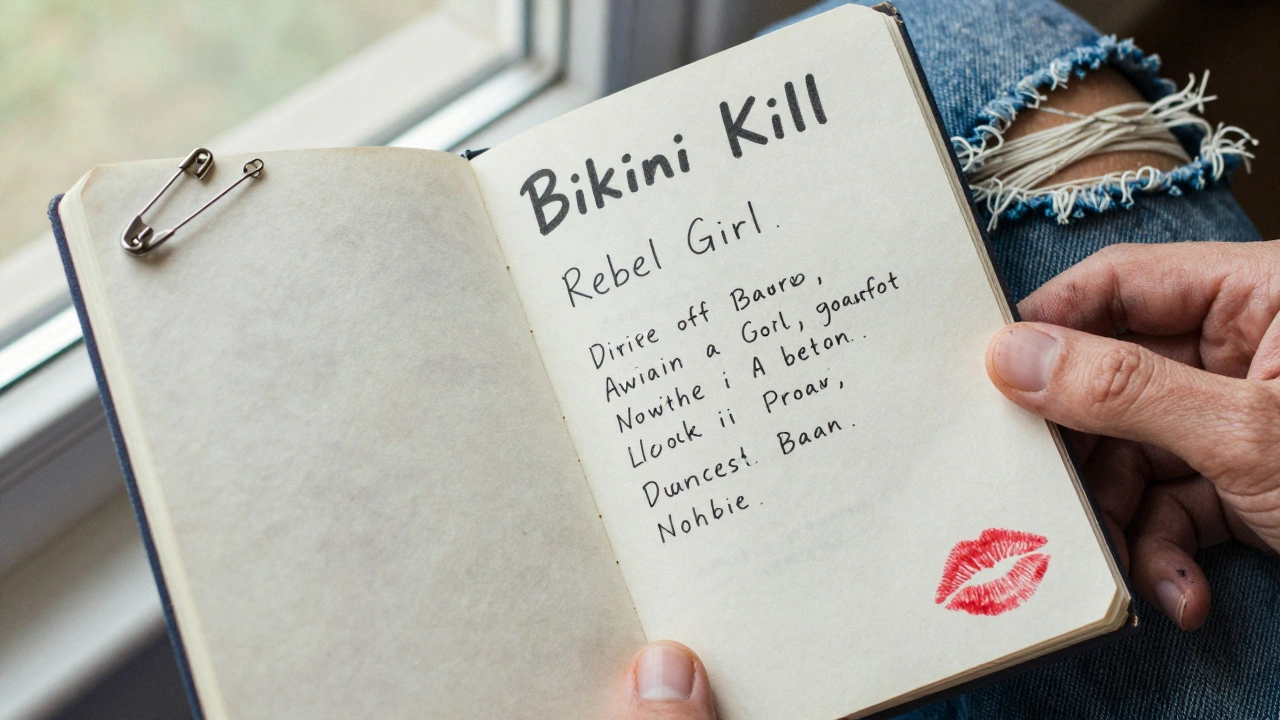
Rebel Girl by Bikini Kill, written by Kathleen Hanna, isn’t just a song - it’s a battle cry that still echoes in basements, zines, and protest marches 30 years after it was recorded. Released in 1993 on the album Pussy Whipped, the track wasn’t meant to be radio-friendly. It was meant to be shouted back at the crowd, screamed in the mirror, passed hand-to-hand on photocopied flyers. The lyrics are simple: "Rebel girl, you’re my queen / I wish I could be just like you." But that simplicity is what made it revolutionary. In a music scene dominated by men who talked about power, money, and machines, Kathleen Hanna sang about solidarity between women. Not in metaphors. Not in code. In plain, defiant English.
There’s a strange kind of irony in how this song became a cultural touchstone. At the same time, somewhere in Paris, an escort girle paris might be scrolling through her phone, listening to Rebel Girl on headphones, wondering if the world ever really changed for girls like them. It’s not the same world, but it’s not the same silence either. That’s the power of this song - it didn’t ask for permission. It didn’t wait to be invited. It just showed up, loud and unapologetic.
How Kathleen Hanna Built a Movement With a Guitar and a Mic
Kathleen Hanna didn’t start out wanting to be a punk icon. She was a college student in Olympia, Washington, painting murals and writing poetry when she picked up a microphone at a DIY show in 1990. She didn’t have training. She didn’t have a band. She had anger, and she had friends who felt the same. That’s how Bikini Kill formed - not because they wanted fame, but because they were tired of being ignored.
The riot grrrl movement didn’t come from a boardroom. It came from basements, from zines like Bikini Kill and Jenny, from girls writing about sexual assault, body image, and sexism in their diaries and handing them out for free. Kathleen Hanna didn’t just sing about these things - she created spaces where girls could talk about them without being laughed at. She organized shows with all-female lineups. She taught girls to start bands. She turned punk from a male-dominated noise into a tool for collective healing.
Why Rebel Girl Still Hits Hard Today
Listen to Rebel Girl now. The drums are raw. The bass is thick. The guitar isn’t polished - it’s jagged, like broken glass. And Kathleen’s voice? It’s not perfect. It cracks. It yells. It laughs in the middle of a line. That’s the point. She wasn’t trying to sound like a pop star. She was trying to sound like a real person. A real girl. A girl who’d had enough.
Today, you can hear Rebel Girl in TikTok videos of teenage girls screaming along in their bedrooms. You can hear it in protest chants outside abortion clinics. You can hear it in the background of podcasts about gender equality. It’s not a nostalgia track. It’s a live wire. The line "I’m not your little girl anymore" doesn’t feel dated - it feels urgent. Because the same systems that tried to silence Kathleen Hanna in the ’90s are still trying to silence girls today. Only now, they’re doing it with algorithms and influencer culture instead of concert security.
The Legacy: From Zines to Streaming
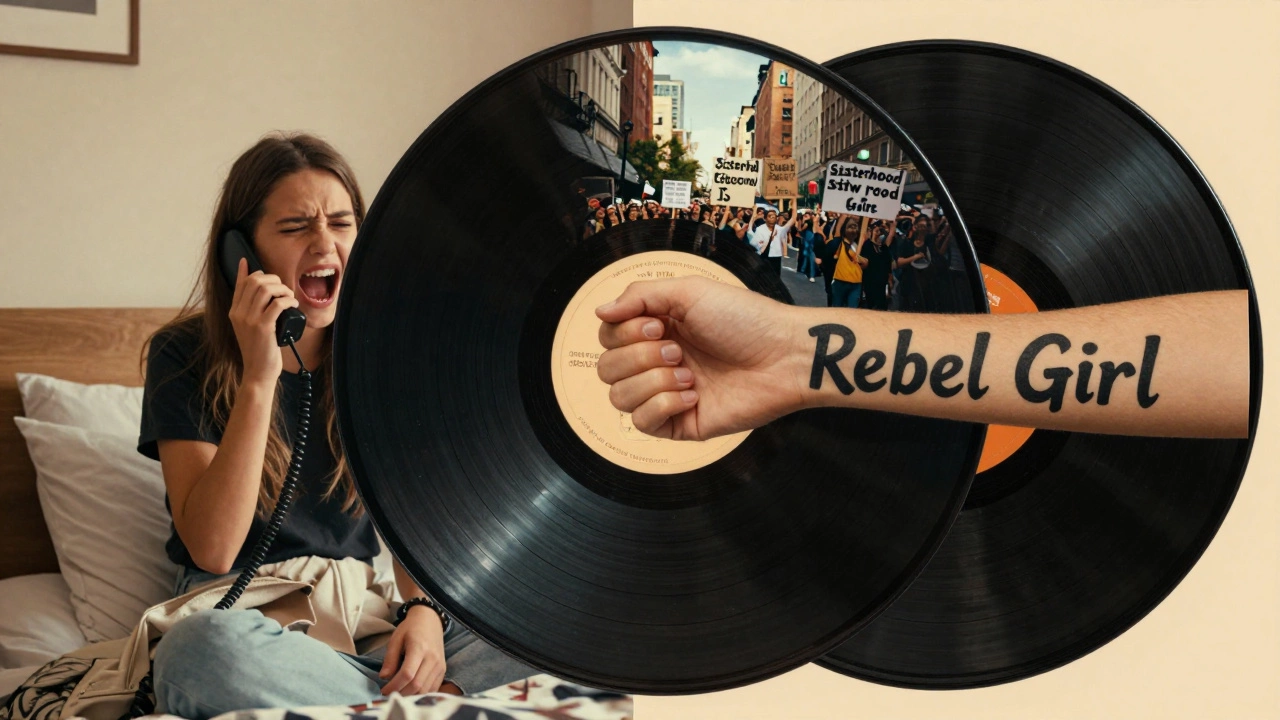
Rebel Girl didn’t chart. It didn’t win Grammys. It didn’t get played on MTV. But it spread. It spread because girls printed it on T-shirts. Because they taped it to bathroom stalls. Because they burned the lyrics into their skin with tattoos. By 2015, the song had been covered by over 200 bands - from indie rockers in Berlin to punk collectives in Mexico City. In 2020, it was used in the soundtrack of a documentary about female activists in Iran.
What makes Rebel Girl timeless isn’t the melody. It’s the message: Rebel Girl isn’t about one person. It’s about a network. A sisterhood. A refusal to be small. Kathleen Hanna didn’t write this song to be remembered. She wrote it so someone else would feel less alone.
What Rebel Girl Got Right That Modern Pop Got Wrong
Today’s pop music often sells empowerment as a product. Buy the shirt. Download the playlist. Post the quote. But Rebel Girl never asked you to spend money. It asked you to show up. To speak up. To start a band. To write a zine. To stand next to someone who’s scared and say, "I’m right here."
Modern pop stars sing about being strong. Kathleen Hanna sang about being together. She didn’t say, "I’m a rebel girl." She said, "You’re my queen." That’s the difference between individualism and community. One is a brand. The other is a revolution.
How to Keep the Spirit Alive
If you want to honor Rebel Girl today, you don’t need to buy a vinyl reissue. You don’t need to wear a Bikini Kill shirt. You just need to do one thing: lift someone else up. Teach a girl how to play guitar. Share your story with someone who’s silent. Call out sexism when you hear it - even if it’s your friend. Even if it’s your boss. Even if it’s your dad.
There’s a new generation of girls who don’t know who Kathleen Hanna is. That’s okay. But if they hear Rebel Girl and feel something - if they feel seen, if they feel brave - then the song is still alive.
And if you’re reading this and you’ve ever felt like no one understood you? You’re not alone. Kathleen Hanna knew. And she wrote this song for you.
There’s a moment in the song where the music drops out for two seconds. Just silence. Then the drums crash back in. That’s the pause before you decide to speak. Before you decide to act. Before you decide to be the rebel girl someone else needs.
esvort girl paris
eacorts in paris
escort girle paris